
Expert Tips for Reducing Drayage Costs Without Compromising Quality


Understanding Drayage Costs
Drayage costs refer to the expenses associated with the transport of goods over short distances, typically from a port to a nearby warehouse. These costs can quickly add up, especially if not managed efficiently. However, reducing drayage costs doesn’t have to mean compromising on the quality of service.

Optimizing Load Planning
One effective strategy to reduce drayage costs is to optimize your load planning. By maximizing the space in each container, you can decrease the number of trips needed. This not only cuts costs but also reduces environmental impact.
Consider implementing technology solutions that offer real-time data analysis for load optimization. These tools can help in better planning and execution, ensuring that every inch of container space is utilized effectively.
Leveraging Technology
Technology can be a game-changer in reducing drayage costs. Using transportation management systems (TMS) can streamline operations by providing real-time tracking and analytics. These insights can help identify inefficiencies and areas for cost reduction.
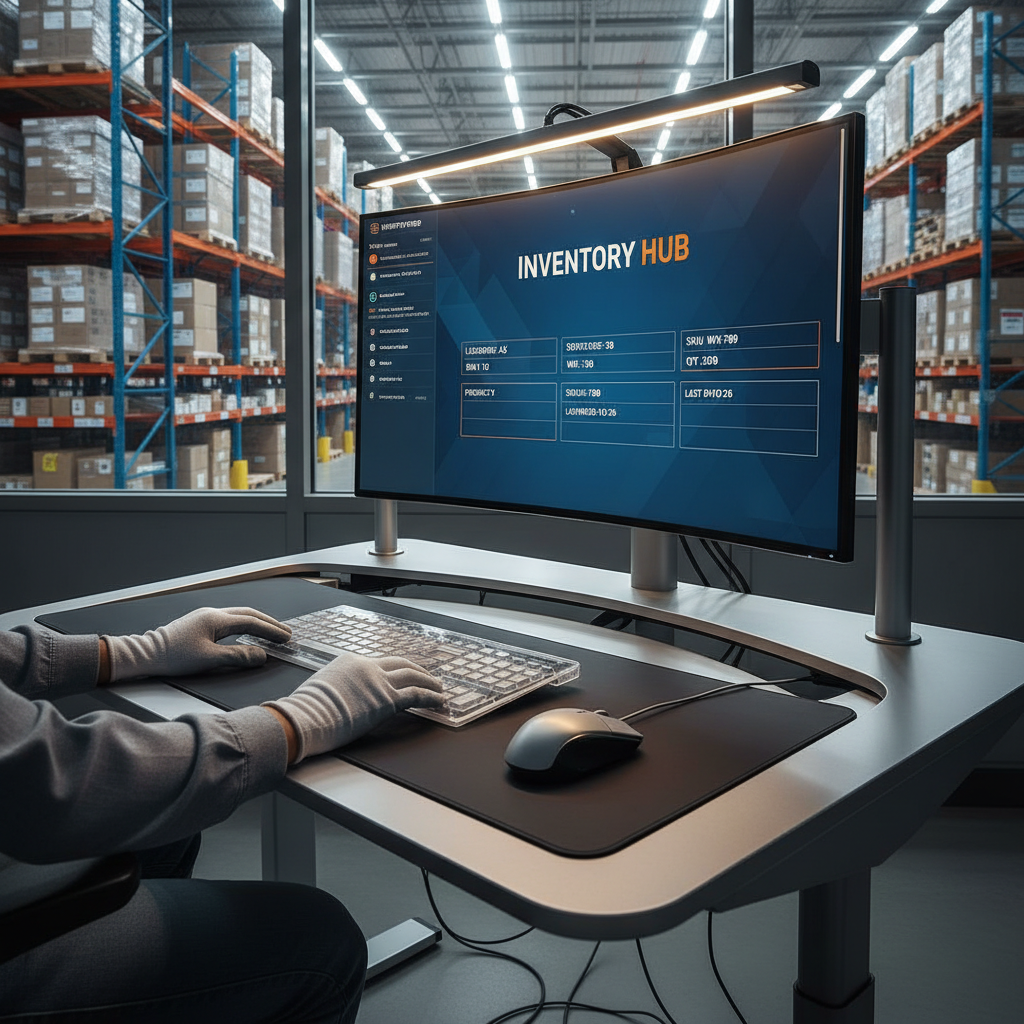
Moreover, investing in automated systems for scheduling and dispatching can minimize delays and improve the overall efficiency of your drayage operations.
Building Strong Relationships with Carriers
Establishing robust relationships with carriers can lead to better-negotiated rates and more reliable service. Engaging with a network of trusted carriers ensures that you have the flexibility and reliability needed during peak times.
Strong partnerships can also lead to collaborative problem-solving, which is crucial for overcoming logistical challenges without incurring additional costs.

Implementing Cost-Effective Scheduling
Another way to reduce drayage costs is through strategic scheduling. Avoid peak hours when port congestion is at its highest. By scheduling pickups and deliveries during off-peak times, you can reduce wait times and associated costs.
Additionally, consider using a drop-and-hook strategy where feasible. This allows drivers to drop off a full container and pick up an empty one without waiting, thus saving both time and money.
Regularly Reviewing and Auditing Costs
Finally, regularly reviewing and auditing your drayage costs can reveal hidden inefficiencies and opportunities for savings. Conducting frequent audits helps ensure that you are not overspending and that your operations are running as smoothly as possible.
By implementing these expert tips, you can effectively reduce drayage costs while maintaining high service quality, allowing your business to thrive in a competitive market.